World Cup Boosted Bars and Restaurants, But Fed Sees Cracks in Consumer Spending
The Fed's Beige Book credited the World Cup with lifting bar and restaurant sales, but broader consumer spending signals are flashing caution.
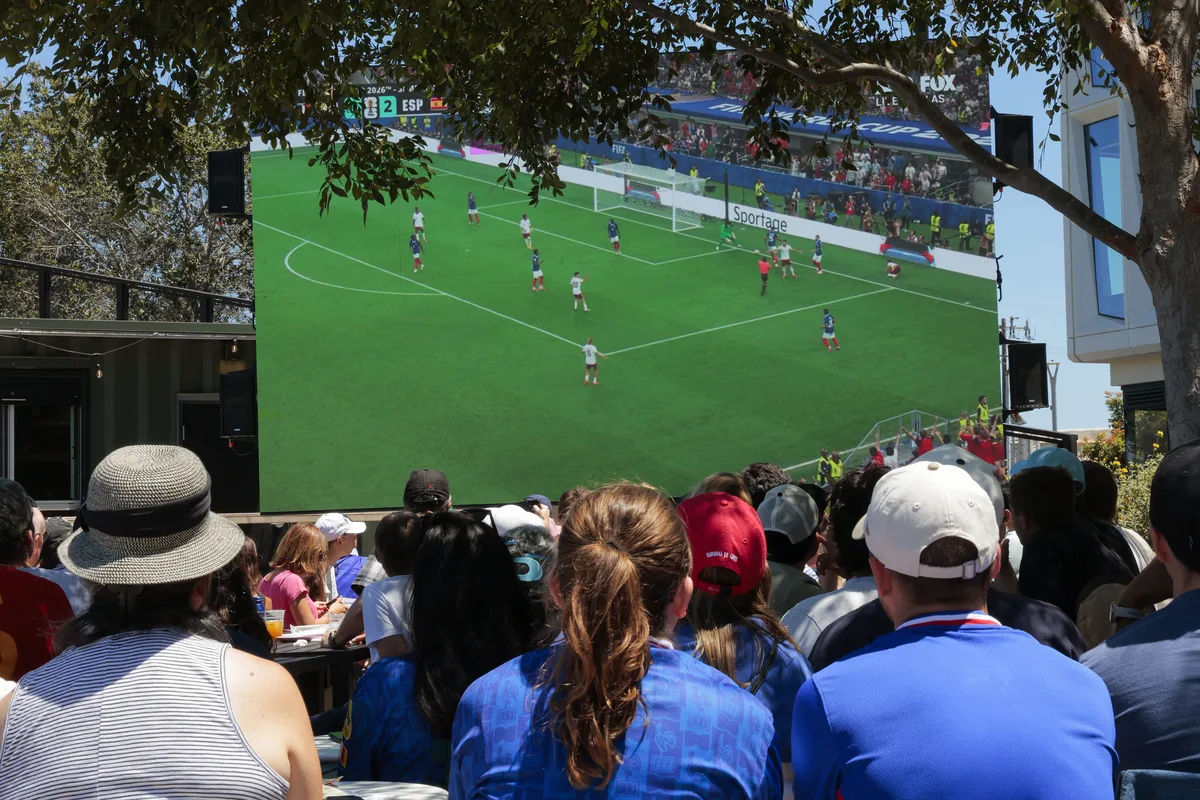
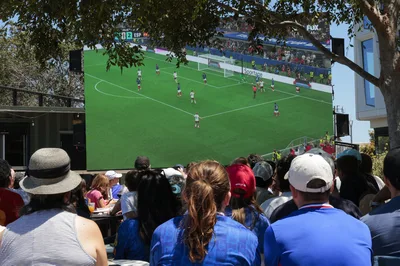
If you caught a World Cup match at your favorite sports bar recently, you were part of a genuine economic bright spot — at least according to the Federal Reserve. The Fed's latest Beige Book, a periodic report that takes the temperature of economic conditions across the country, noted that the soccer tournament gave bars and restaurants a welcome sales bump during what has otherwise been a tricky stretch for consumer-facing businesses.
The caveat, though, is a big one. That World Cup energy didn't appear to spill over into the broader economy in any meaningful way. Think of it as a sugar rush for the hospitality industry rather than a signal that American consumers are feeling flush. The Fed's report made clear that the boost was largely event-driven and contained to specific venues and regions where soccer fever ran hottest.
Read more Euro Area Factory Output Slips in May, Dragged Down by Ireland →
And that matters, because the Beige Book was otherwise sending some cautious signals about where everyday consumers stand right now. Shoppers are becoming more selective, watching their wallets more carefully, and showing the kind of hesitation that tends to make businesses nervous about the months ahead. That's a pattern the Fed pays close attention to, since consumer spending drives roughly two-thirds of the entire US economy.
For bar and restaurant owners, the World Cup lift was no doubt welcome — the food-service industry has been navigating a challenging environment of higher costs and increasingly budget-conscious diners. But a temporary tournament-driven spike is a very different thing from sustained demand growth, and the broader Beige Book picture serves as a reminder that one good event doesn't erase underlying economic pressure on households.
Continue reading at US Top News and Analysis