Coupang Row Adds Tariff Tension to US-South Korea Trade Ties
South Korea's pushback on US discrimination claims over Coupang is quietly escalating trade friction between the two allies.

If you've been following US-South Korea trade talks, here's a new wrinkle worth paying attention to: a dispute centered on Coupang — the South Korean e-commerce giant that's also a major US-listed company — is now adding fresh pressure to an already complicated tariff conversation.
Here's the background. US Congress raised allegations that South Korea discriminated against Coupang, which despite its Korean roots operates in a way that gives it significant American investor exposure. South Korea, however, dismissed those claims, and that rejection is not sitting well in Washington. According to sources familiar with the matter, Seoul's refusal to engage seriously with the allegations is actively straining the broader bilateral relationship.
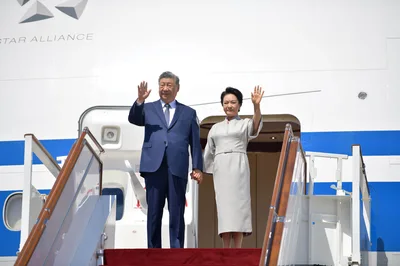
Read more Xi Jinping Eyes India Visit Before Anticipated Trump Summit →
Why does this matter beyond a corporate squabble? Because trade disputes between allies rarely stay contained. When a country dismisses congressional concerns — especially in a climate where the US is already wielding tariffs as a diplomatic tool — it can quickly become leverage in much bigger negotiations. Think of it as a small fire that policymakers could decide to let burn or use as an excuse to turn up the heat on broader trade terms.
For everyday investors and anyone watching the markets, this is the kind of behind-the-scenes friction that doesn't make front-page headlines until it suddenly does — usually when tariffs get announced or trade talks stall. South Korea is a major US trading partner and military ally, which makes the stakes on both sides unusually high. Neither country can afford a serious falling-out, but that doesn't mean the road to resolution will be smooth.
Keep an eye on how Washington responds to Seoul's dismissal, because the next move could signal just how seriously US officials are willing to escalate. Continue reading at US Top News and Analysis.