How AI Wealth Could Be Shared With Everyday Americans
AI profits are piling up for a few big tech players. Here's how policymakers and thinkers want to spread that wealth more broadly.
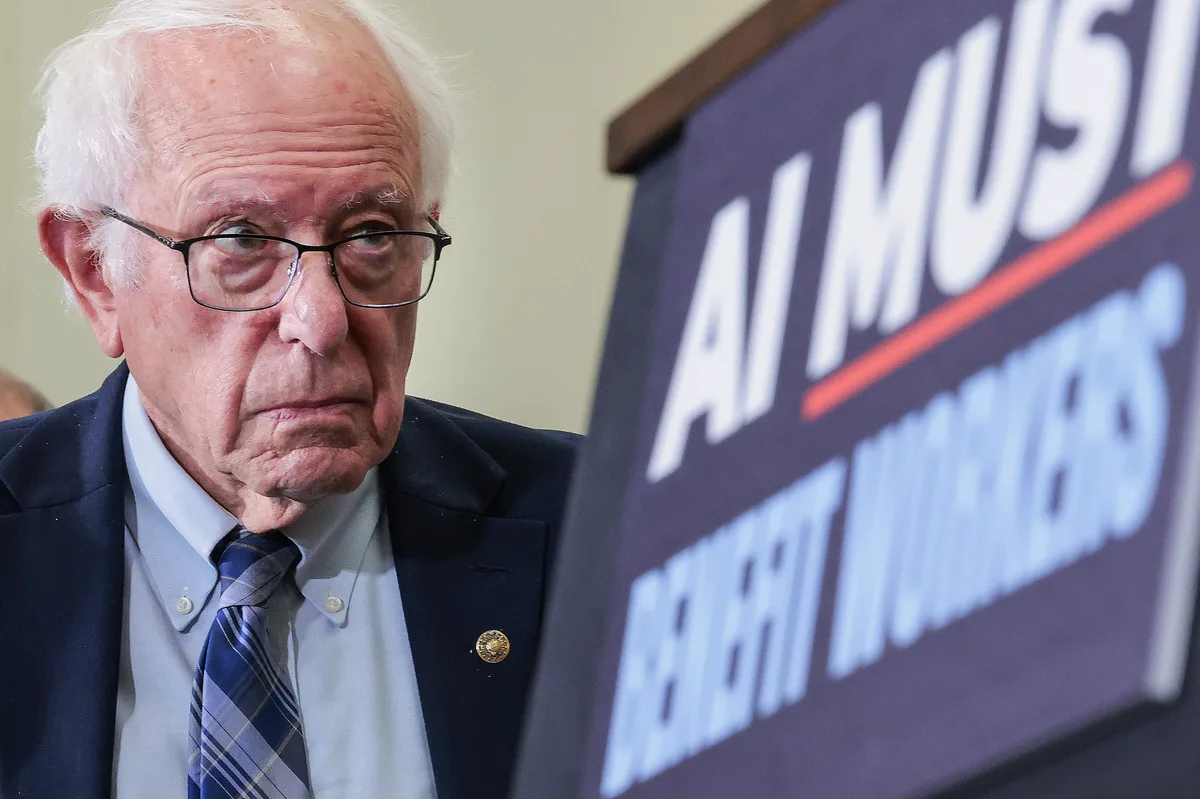
If you've noticed that the AI boom feels a lot like a party you weren't invited to, you're not alone. The financial gains from artificial intelligence are clustering fast around a small group of powerful tech companies, leaving most Americans watching from the outside. That concentration of wealth isn't just an uncomfortable talking point — it's shaping up to be one of the defining economic debates of our time.
Here's the thing: a growing chorus of economists, policy wonks, and yes, some outright radicals, are pitching ideas for how AI's enormous upside could be redistributed to regular people. Think of it like a national dividend — the argument being that AI systems were built, at least partly, on publicly funded research and the data generated by millions of ordinary citizens. Shouldn't everyone get a cut?
Read more Young Voters Put Housing Costs Above All Other Issues, Survey Shows →
Some proposals are relatively tame, like taxing AI-driven corporate profits more aggressively and funneling the revenue into public services or a sovereign wealth fund that every American has a stake in. Others go further, floating the idea of direct cash payments — essentially an AI-powered universal basic income — so that automation's efficiency gains don't just fatten shareholder returns while workers lose jobs to algorithms.
The debate matters because the window for action may be narrower than it seems. Once wealth and infrastructure solidify around today's AI giants, reshaping the distribution gets exponentially harder. History with past technological revolutions — think railroads, the internet — suggests that without deliberate policy intervention, the spoils tend to stay where they land first.
Whether any of these ideas graduate from think-tank whitepapers to actual law is another question entirely, but the conversation is heating up fast. Continue reading at US Top News and Analysis.