Strait of Hormuz Nearly Shut as Iran Vows Oil Blockade Defiance
Iran's IRGC says no oil or gas moves through Hormuz while US strikes continue, and traffic data backs that up.
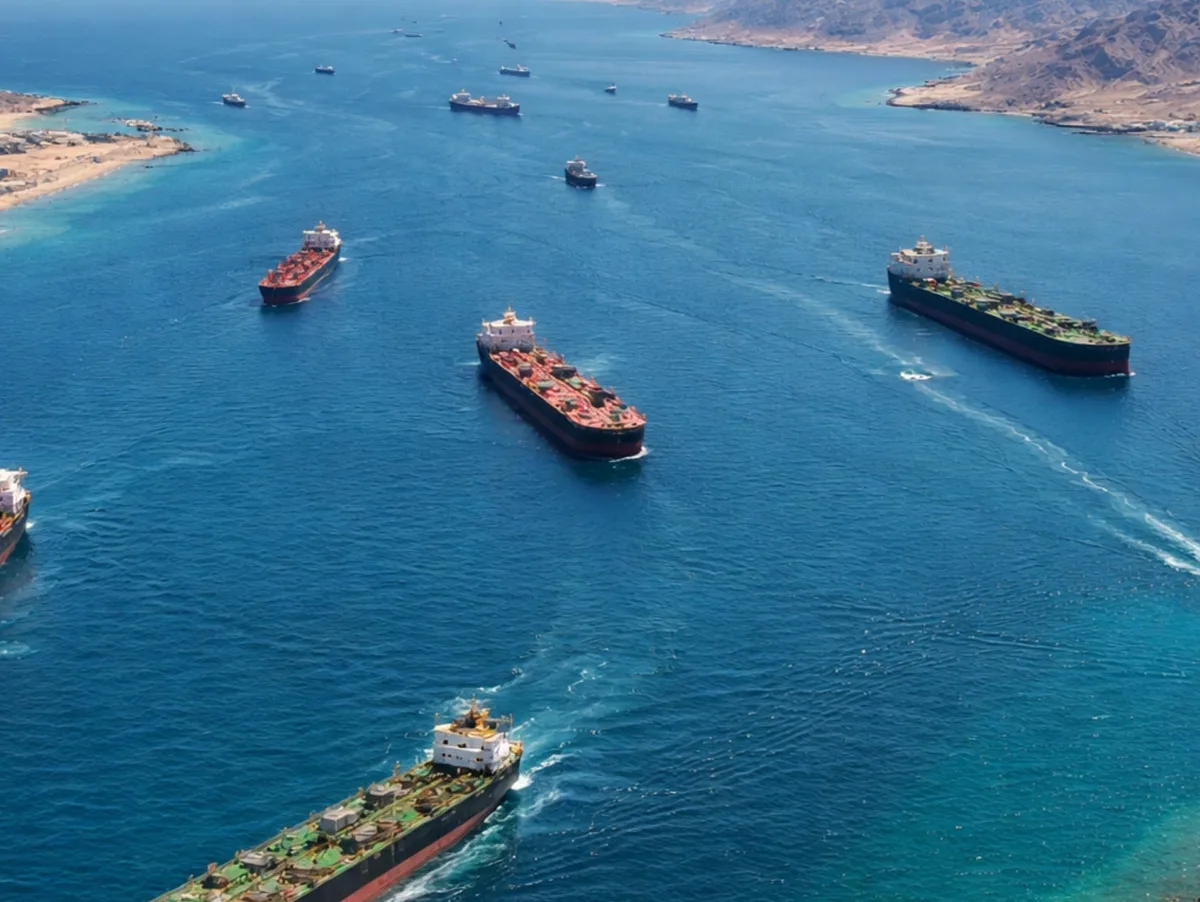
If you've been watching energy markets lately, here's the situation in plain English: the Strait of Hormuz — the narrow chokepoint through which a huge chunk of the world's oil and liquefied natural gas flows — is effectively closed for business right now. Iran's Islamic Revolutionary Guard Corps has made it crystal clear that no oil or gas will be allowed through the strait as long as US military strikes keep coming.
The numbers tell a stark story. Vessel traffic through the strait has cratered over the past week, with only around 10 to 15 ships making the transit on an average day. Yesterday was the first full day under the reinforced US naval blockade, and the count of Very Large Crude Carriers and LNG tankers passing through hit exactly zero. The only tankers still moving are Iranian exports hugging the northern corridor, plus a trickle of regional Arab Gulf oil — and LNG exports have essentially ground to a halt.
Read more Analog Devices at $375: Is the AI Premium Justified? →
Both sides are still actively trading strikes, and any near-term hope for a ceasefire or diplomatic off-ramp looks pretty bleak right now. The conflict has reportedly expanded beyond just US-Iran exchanges, with attacks now touching Jordan, Bahrain, and Kuwait. US forces have confirmed boarding and disabling Iranian vessels as part of the naval blockade, while American airstrikes have reportedly targeted bridges near the Iranian port city of Bandar Abbas to cut off supply lines.
For everyday consumers and traders, a sustained Hormuz shutdown is a massive deal. About 20% of global oil trade and a significant share of LNG shipments pass through that narrow waterway, so any prolonged closure sends shockwaves through energy prices worldwide. What looked like a tense standoff a week ago has now hardened into something far more serious — a de facto closure that markets can no longer dismiss as posturing.
Continue reading at Forexlive.