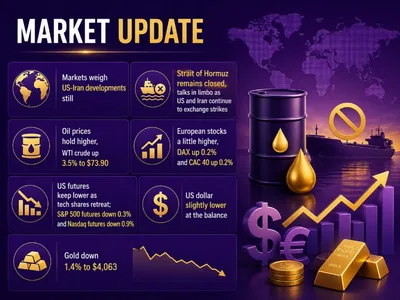
US-Iran Tensions Push Bitcoin Lower Despite ETF Demand
Renewed US-Iran hostilities rattled crypto markets, sending bitcoin down even as ETF inflows signaled steady investor appetite.

Geopolitical jitters are back, and bitcoin is feeling the heat. Fresh US-Iran tensions rattled risk assets broadly this week, dragging the leading cryptocurrency lower as traders instinctively hit the sell button when global headlines turn scary. It's a familiar pattern — when the world feels uncertain, speculative assets often take the first hit.
Here's the twist though: even as bitcoin's price slipped, spot bitcoin ETFs were quietly pulling in fresh money. That's a notable disconnect. ETF inflows typically reflect longer-term, more deliberate investment decisions — think institutions and financial advisors allocating client funds — rather than the knee-jerk trading that dominates short-term price action. So while the price dipped, real demand underneath the surface looked surprisingly resilient.
Read more Big-Money Options Activity Spotted in 10 Tech Stocks Today →
This tug-of-war between macro fear and structural adoption is one of the defining stories of bitcoin in 2025. On one hand, any whiff of geopolitical conflict can send prices tumbling because crypto still trades like a risk asset in the short run. On the other, the growing ETF ecosystem means there's a new class of patient buyers ready to scoop up dips rather than panic alongside retail traders.
For everyday investors, the takeaway is pretty straightforward: don't confuse short-term price moves with long-term demand signals. A down day driven by Iran headlines tells you a lot about trader sentiment but maybe less about where bitcoin is headed over the next year. The ETF flow data is arguably the more meaningful indicator of where institutional conviction actually stands right now.
Continue reading at CoinDesk