What Life and Money Looked Like in 1910s America
A look back at the economic and social landscape of the United States during the transformative 1910s decade.
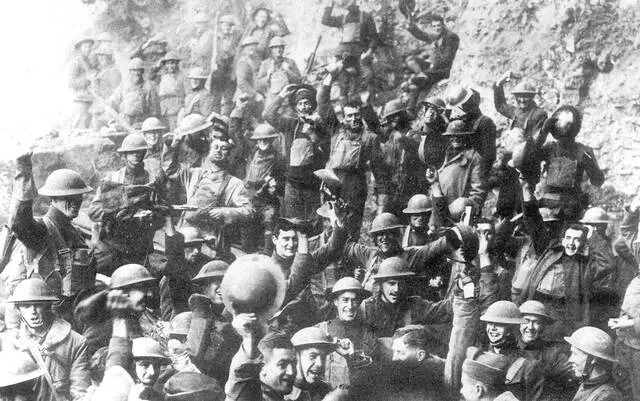
The 1910s were a decade of massive change in the United States — think World War I, the rise of the assembly line, and a country still figuring out what modern life was supposed to look like. It was a time when a dollar stretched a whole lot further, but most people were also earning a whole lot less, so the math wasn't exactly a win.
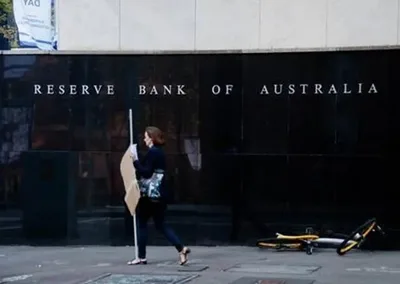
Economically, the era set the stage for many of the institutions and habits Americans still live with today. The Federal Reserve, for example, was created in 1913 — meaning the 1910s were literally the birth decade of the central bank that still sets interest rates and makes headlines every time it meets. If you've ever complained about mortgage rates, you can trace that frustration back to this period.
Read more Private Sector Added 90,000 Jobs in September, ADP Says →
Socially, the decade saw seismic shifts too. Women's suffrage was gaining serious momentum, labor movements were pushing back against dangerous working conditions, and immigration was reshaping cities across the country. These weren't just political stories — they were economic ones, directly influencing wages, housing demand, and the makeup of the American workforce.
The 1910s also previewed something familiar to modern readers: the disruptive power of new technology. Automobiles went from a novelty to a genuine industry, and with them came new jobs, new infrastructure needs, and an entirely new way of thinking about distance and commerce. Sound familiar? Every generation seems to get its own version of that particular upheaval.
Unfortunately, the full depth of the Devils Lake Journal's original reporting on this topic is locked behind a paywall, so the granular local and historical details aren't accessible here. Continue reading at devilslakejournal for the complete story.