Federal Regulators Push Banks to Limit Loans to Undocumented Immigrants
The Trump administration issued new guidance urging banks to tighten lending standards for immigrants lacking U.S. work authorization.
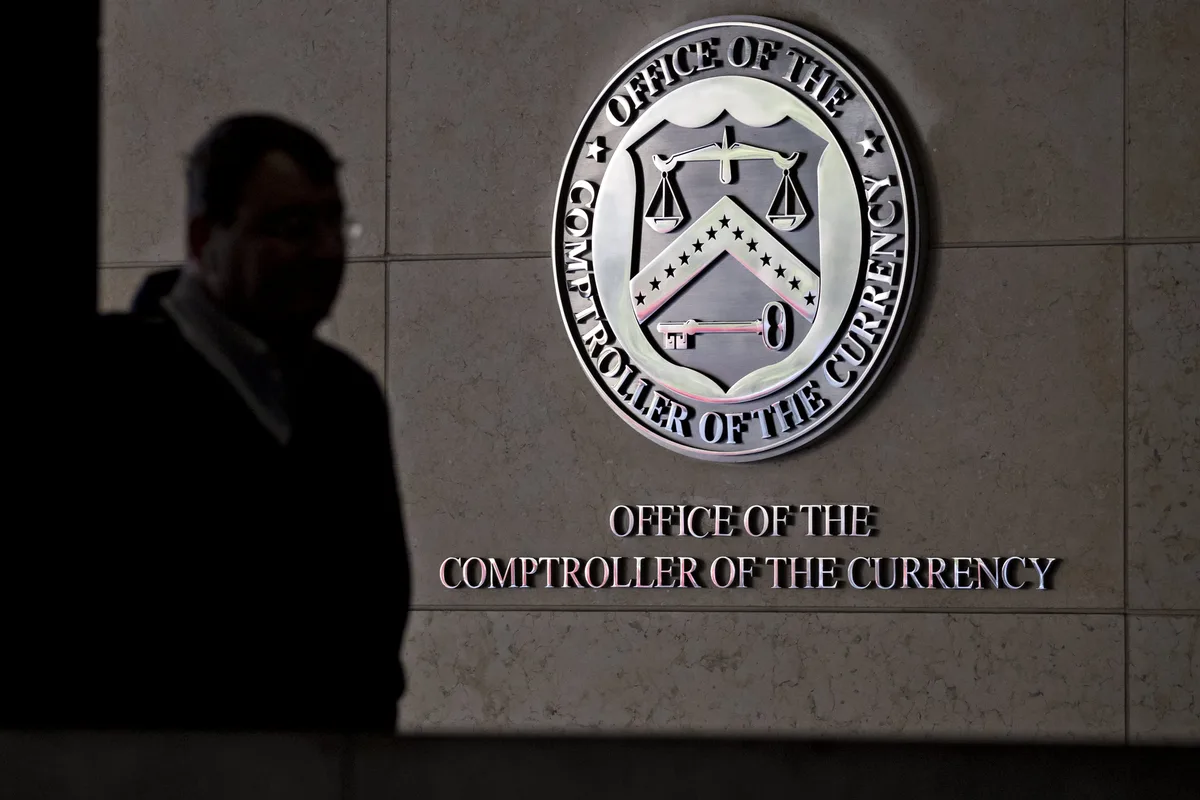
If you've been following the Trump administration's immigration crackdown, here's the latest chapter: federal bank regulators are now wading into your local bank's lending decisions. On Monday, regulators issued formal guidance asking banks to take a harder look before extending mortgages, auto loans, and other consumer credit to immigrants who don't have U.S. work authorization.
This is a pretty significant shift in how the government signals its expectations to lenders. Normally, bank guidance focuses on things like credit risk, fraud prevention, or fair lending rules. Bringing immigration status into that equation is a new wrinkle — and it puts banks in an unusual position of essentially screening borrowers based on their work authorization paperwork, not just their ability to repay.
Read more Trump's Crypto Holdings Complicate Conflict-of-Interest Bill Talks →
For immigrants without work permits, access to credit is already a tricky road. Many rely on Individual Taxpayer Identification Numbers, or ITINs, instead of Social Security numbers to apply for loans. Some banks and credit unions have historically offered ITIN-based mortgage programs as a way to serve mixed-status families and build community ties. This new guidance could put a serious chill on those programs.
From a broader economic angle, it's worth noting that tightening credit access for any group doesn't just affect that group — it can ripple through housing markets, auto dealerships, and local economies that depend on consumer spending. Analysts and advocacy groups will likely be watching closely to see how banks actually respond to the guidance and whether it translates into tighter loan denials on the ground.
The move fits squarely within the administration's wider effort to reduce pathways — financial and otherwise — available to undocumented immigrants living in the U.S. Continue reading at US Top News and Analysis.