Trump's Crypto Holdings Complicate Conflict-of-Interest Bill Talks
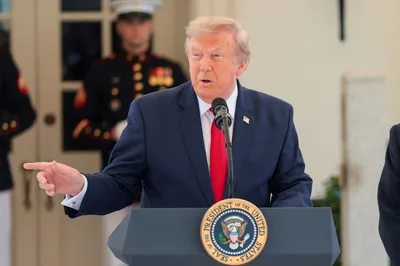
Lawmakers pushing the Clarity Act face an awkward backdrop: Trump's own crypto wealth is front and center in the debate.
If you've been following the push to clean up how U.S. officials handle crypto investments, you've probably noticed the elephant in the room — or rather, the digital wallet in the Oval Office. Talks around the so-called Clarity Act, which aims to ban conflicts of interest for government officials in the crypto space, are getting increasingly complicated by the fact that President Trump himself has significant cryptocurrency holdings. That's a tension that's hard to talk around.
The Clarity Act is essentially Congress's attempt to draw a bright line between public service and personal crypto profit. The idea is straightforward enough: if you're making policy decisions that could move crypto markets, you probably shouldn't also be holding assets that benefit from those very decisions. It's the same logic that has long applied to stocks, but the crypto world is newer, faster-moving, and — let's be honest — far less regulated.
Read more Turkey Joins Global Defence Bank Initiative, Canada Informed →
What makes this particular legislative moment so politically charged is the scale of Trump's reported crypto interests. When the person at the top of the executive branch has a financial stake in the industry you're trying to regulate fairly, even well-intentioned reform efforts can get tangled in accusations of bad faith from both sides of the aisle. Supporters of stricter rules argue the situation makes the Clarity Act more urgent, not less. Critics, meanwhile, question whether any bill can get traction given the political dynamics at play.
For everyday investors and crypto enthusiasts watching from the sidelines, the stakes are real. Clear conflict-of-interest rules could shape who gets to make crypto policy and how trustworthy those decisions appear to markets. Without them, the perception — fair or not — is that the house sets the rules while also playing the game. That uncertainty is rarely good for any asset class trying to earn mainstream credibility.
Continue reading at CoinDesk.