UN Maritime Agency Pushes Back on Hormuz Transit Fee Plan
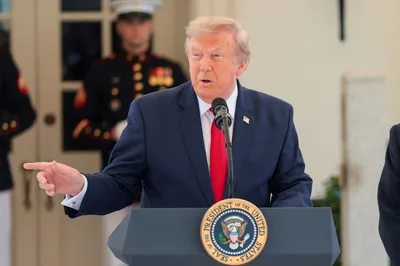
The IMO is opposing proposed fees for ships passing through the Strait of Hormuz after Trump called for protection payments.
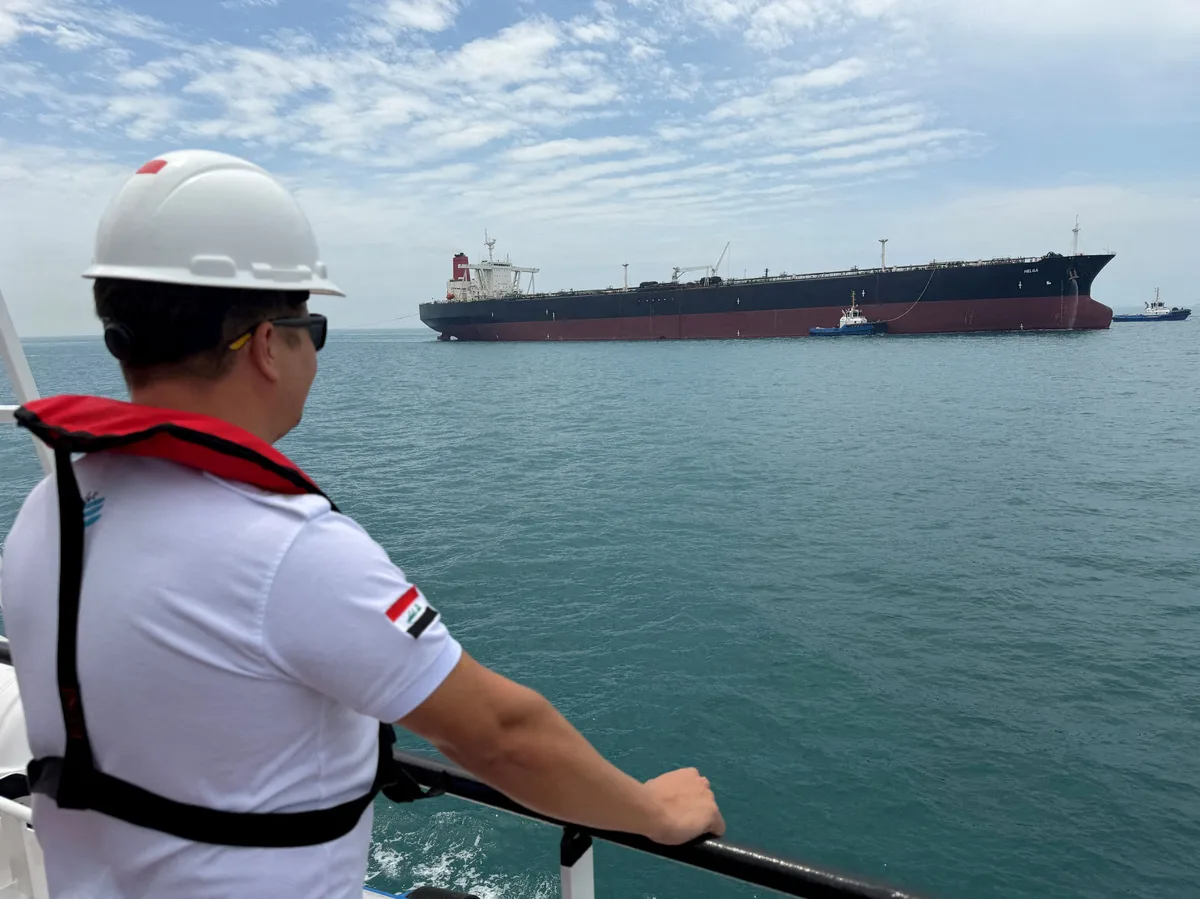
If you've been following global shipping news, things just got a lot more complicated in one of the world's most critical waterways. The United Nations' maritime agency is pushing back against the idea of charging ships a fee to transit the Strait of Hormuz — a proposal that gained traction after former President Trump floated the idea of making countries pay for protection in the region.
The timing here matters. The security situation around Hormuz has been deteriorating rapidly, with Iran reportedly attacking multiple commercial vessels passing through the strait over just the past week. That's a significant escalation for a chokepoint that handles a massive chunk of the world's oil trade, and it's got everyone from shipping executives to energy traders on edge.
Read more Trump's Crypto Holdings Complicate Conflict-of-Interest Bill Talks →
The UN's International Maritime Organization stepping in to oppose transit fees is a big deal. The IMO sets the rules of the road — or rather, the sea — for international shipping, and its position carries serious weight. Slapping fees on Hormuz passage would be a major departure from the principle of free navigation that global trade has relied on for decades. Think of it like suddenly putting a toll booth in the middle of the world's busiest highway.
For everyday consumers, this kind of instability in Hormuz doesn't stay in the headlines — it eventually shows up at the gas pump and in the price of goods. When shipping costs spike because insurers and operators are pricing in serious risk, those costs tend to trickle downstream pretty fast. The combination of physical attacks on vessels and a potential fee structure creates a double whammy for global supply chains still finding their footing.
How this standoff between the Trump administration's protection-money framing and the IMO's free-navigation stance resolves itself remains to be seen, but the stakes for global commerce are very real. Continue reading at US Top News and Analysis.