UN Shipping Agency Pushes Back on Hormuz Transit Fees
The IMO opposes charging ships to pass through the Strait of Hormuz after Trump floated the idea of protection fees amid rising tensions.
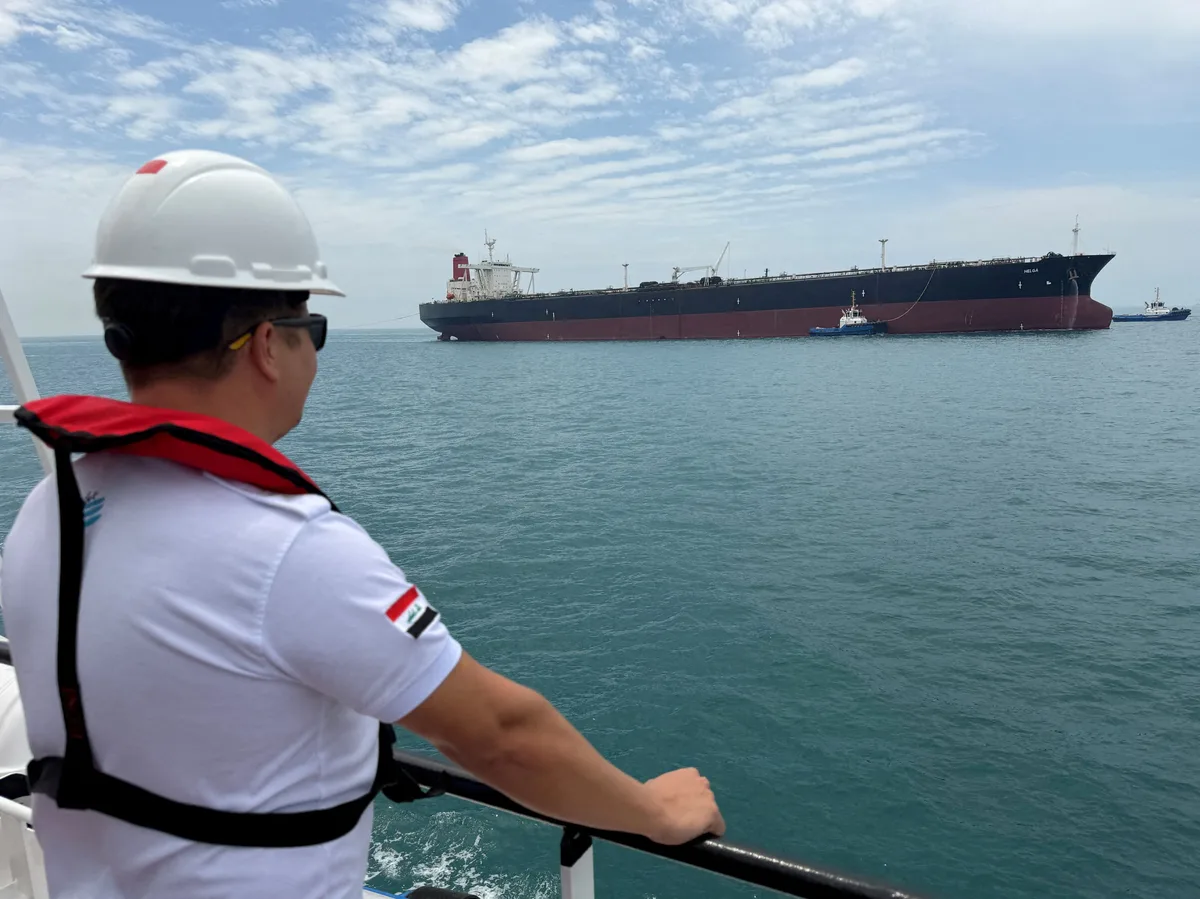
If you've been following the news lately, you know the Strait of Hormuz — that narrow stretch of water connecting the Persian Gulf to the open ocean — has been getting a lot more dangerous. Iran has reportedly attacked multiple commercial ships transiting the strait over the past week, sending shockwaves through global shipping circles and raising serious questions about who's responsible for keeping those sea lanes safe.
President Trump apparently has an answer: make the ships pay for it. The idea of charging some kind of transit or protection fee to vessels passing through Hormuz started circulating, essentially a "you want safe passage, you chip in" approach. It's the kind of transactional thinking that's become a hallmark of Trump's foreign policy style, but it didn't exactly land well with the international community.
Read more Trump's Crypto Holdings Complicate Conflict-of-Interest Bill Talks →
The United Nations' maritime agency — the International Maritime Organization, or IMO for the uninitiated — came out against the idea. The IMO is essentially the global traffic cop for the world's oceans, setting safety and environmental standards for international shipping. When the world's top shipping regulator says a fee scheme is a bad idea, that's worth paying attention to, especially since the strait handles a massive chunk of the world's oil trade.
The pushback matters beyond just bureaucratic disagreement. Hormuz is one of those rare geographic chokepoints where a disruption doesn't stay local — it ripples out into energy prices, supply chains, and ultimately your wallet at the gas pump. Adding a toll on top of an already volatile security situation could complicate shipping routes, drive up freight costs, and create a diplomatic mess over who actually has authority to collect such fees and under what legal framework.
For now, the standoff between the Trump administration's "pay up" posture and the IMO's opposition leaves the question of Hormuz security very much unresolved — and global shippers watching nervously. Continue reading at US Top News and Analysis.