Asia-Pacific FX Wrap: China Trade Surge, Rate Hike Bets Heat Up
China's exports blew past forecasts while central banks from New Zealand to Korea signaled more rate hikes, rattling currencies across the region.
Monday's Asia-Pacific session was anything but quiet. China dropped a blockbuster trade report for June, with exports surging 27% year-over-year — way above the 18.2% analysts had penciled in. The outperformance was largely pinned on a spike in AI-related demand, which pushed Chinese shipments to levels few saw coming. If you were short the yuan heading into that print, you had a rough morning.
Central bank watchers had plenty to chew on too. The Reserve Bank of New Zealand is firmly in hawkish territory, with Chief Economist Conway doubling down on the bank's commitment to drag inflation back to 2%. The RBNZ is openly warning that oil-driven price pressures could stick around longer than expected, and more rate hikes are on the table. That gave the New Zealand dollar a lift, at least for a while. Meanwhile, the Bank of Korea is widely expected to hike to 2.75% on Thursday, with analysts forecasting additional moves before year-end.
Read more Why the Japanese Yen Could Shake Your Stock Portfolio →
Over in Japan, the yen got a brief bump from comments by the finance minister, but that bounce fizzled pretty quickly as doubts emerged over whether Japan's giant pension fund (GPIF) would actually shift its asset allocation in a yen-friendly direction. The PBOC set its USD/CNY fixing at 6.7990, a touch weaker than market estimates — a small but watched signal of where Beijing wants its currency.
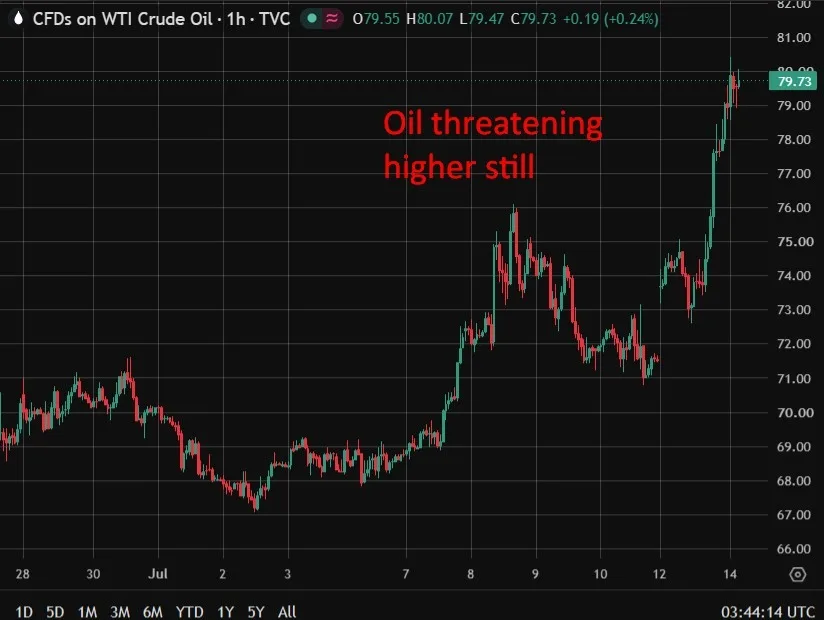
Gold slipped to a two-week low as rising oil prices fanned fears of more Fed tightening, and the EU moved to impose a sanctions-related gold ban — a geopolitical wrinkle worth keeping on your radar. In the Middle East, Iranian missiles struck two UAE tankers near the Strait of Hormuz, killing one crew member, adding fresh risk to an already jittery oil market. Australian business confidence improved in June (coming in at -5 versus a prior -14), though the survey was conducted before the latest oil price spike complicated the RBA's already tricky position.
Continue reading at Forexlive