Asia-Pacific FX Wrap: China Trade Surge, RBNZ Hawks, and Oil Shock
China's exports blew past forecasts, the RBNZ doubled down on rate hikes, and an oil spike rattled markets across the Asia-Pacific session.
It was a busy overnight session for Asia-Pacific currency markets, with China dropping a blockbuster trade report that nobody saw coming. Chinese exports surged 27% year-over-year in June, crushing the 18.2% consensus estimate — and a big chunk of that outperformance is being pinned on booming AI-related demand. That kind of number gives the yuan a firmer footing and ripples through the whole region.
Meanwhile, the New Zealand dollar got a lift after RBNZ Chief Economist Conway made clear the central bank isn't done fighting inflation. The RBNZ is worried that oil-driven price pressures could stick around longer than expected, and more rate hikes are on the table. The kiwi responded by firming up, which makes sense — higher rates tend to attract yield-hungry investors who push a currency higher.
Read more Why the Japanese Yen Could Shake Your Stock Portfolio →
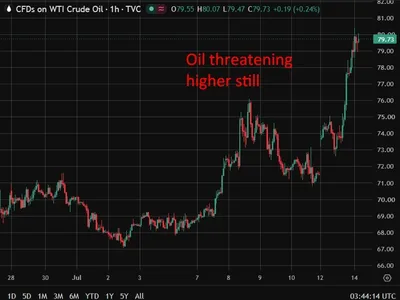
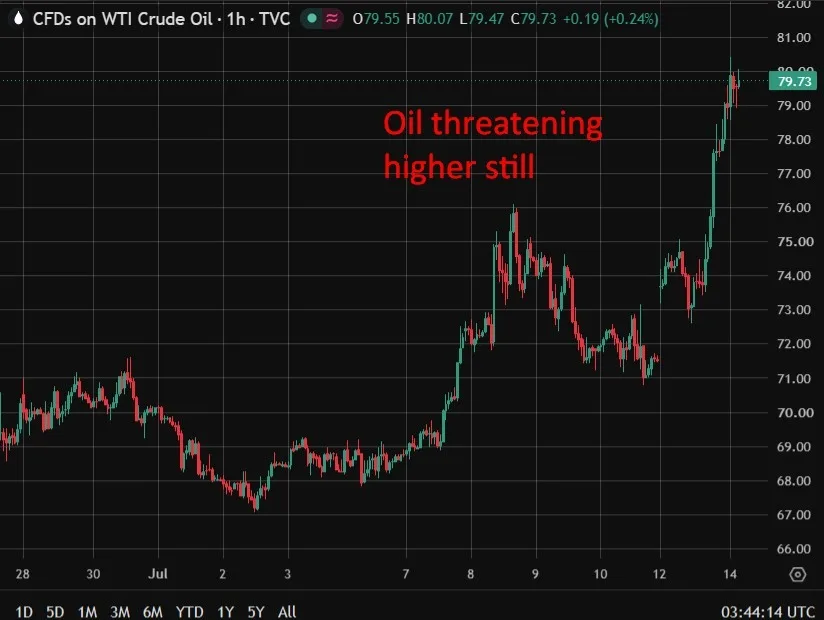
Speaking of oil, it threw a wrench into everything else. A spike in crude prices stoked bets that the Fed will keep hiking rates in the US, which sent gold tumbling to a two-week low. Iranian missiles striking two UAE tankers in the Strait of Hormuz — a critical chokepoint for global oil supply — only added to the geopolitical anxiety. If Hormuz gets disrupted, energy prices could stay elevated far longer than central banks would like.
Elsewhere in the region, Australian business confidence improved in June (coming in at -5 versus a prior reading of -14), but analysts note the survey predates the latest oil spike, so take that optimism with a grain of salt. RBA rate hikes are still biting, and confidence hasn't fully recovered. South Korea's central bank is widely expected to hike rates to 2.75% on Thursday, with more moves anticipated before year-end. Singapore's economy, meanwhile, showed signs of cooling from its strong Q1 pace just as the MAS prepares its next policy decision.
The yen had a rollercoaster ride — a brief boost from Japan's finance minister faded quickly as doubts emerged about whether the country's giant pension fund (GPIF) would actually shift its asset allocation in a yen-supportive direction. All eyes now turn to the US June CPI print, where falling gas prices may drag the headline number lower, though few expect the Fed to ease up anytime soon. Continue reading at Forexlive.