US Strikes Iran as Ceasefire Collapses Near Hormuz Strait
President Trump declared the US-Iran ceasefire over after regional hostilities flared up, raising fears of a Hormuz Strait blockade.
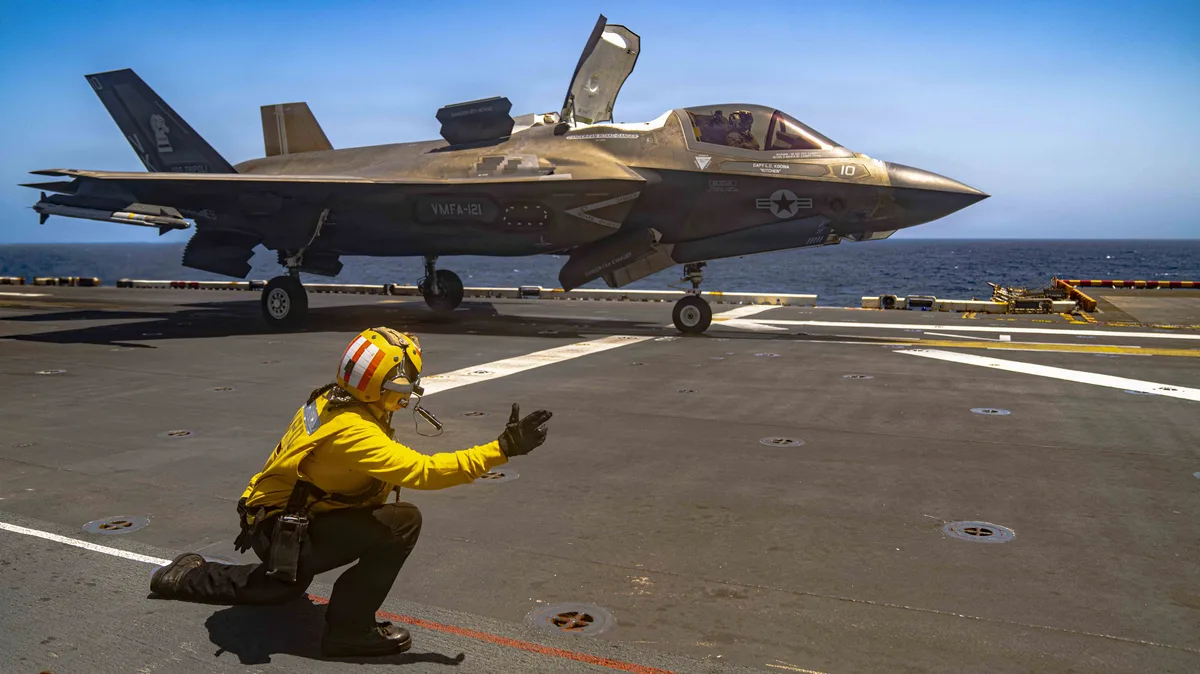
If you've been keeping half an eye on oil prices lately, you might want to upgrade that to both eyes — because things just got significantly more complicated in the Middle East. President Donald Trump announced that the US-Iran ceasefire is officially over, following what the administration described as multiple flare-ups of hostilities in the region. That's a big deal, and here's why it matters to your wallet even if you're nowhere near the Persian Gulf.
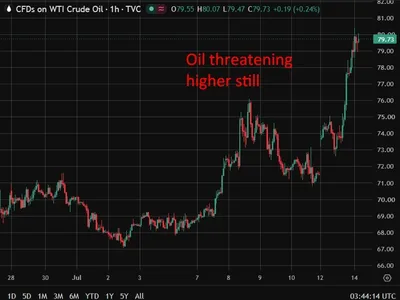
The Strait of Hormuz is essentially the world's most critical oil chokepoint. About 20% of global petroleum flows through that narrow waterway, so any disruption — let alone a full blockade — can send energy markets into a tailspin almost overnight. The renewed US military action against Iran puts that passage back in the spotlight as a potential flashpoint.
Read more Why the Japanese Yen Could Shake Your Stock Portfolio →
Trump's declaration signals a sharp reversal from whatever diplomatic breathing room existed before. While the details of what specifically triggered the breakdown remain thin at this stage, the president's statement leaves little ambiguity: the ceasefire framework is no longer operative, and US forces have already taken action.
For everyday Americans, the downstream effects of Middle East energy instability tend to show up fast — think gas prices, heating costs, and broader inflation pressures. Markets will be watching every development here extremely closely, and volatility in energy commodities is a near-certain outcome if tensions continue to escalate. Keep an eye on crude oil futures as a real-time barometer of how seriously traders are taking the risk.
This is a rapidly developing story with major implications for global energy markets, US foreign policy, and regional security. Continue reading at US Top News and Analysis.