Why the Japanese Yen Could Shake Your Stock Portfolio
A potential currency intervention in Japan is sending warning signals to U.S. stock investors. Here's what the yen-stocks link means for you.
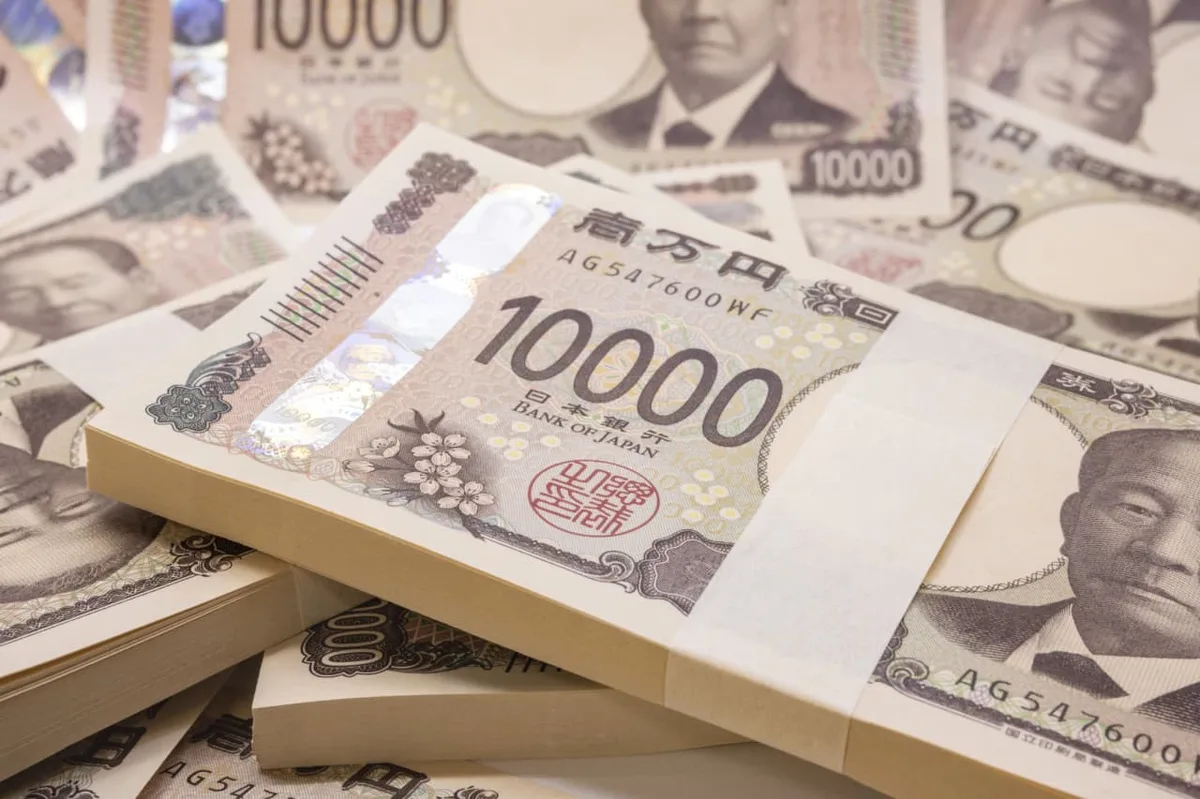
You might not own a single Japanese stock, but the Japanese yen could still be quietly pulling the strings on your retirement account. Sounds weird, right? But the connection between the yen and U.S. equities is very real — and right now, a possible intervention by Japanese authorities is flashing a warning sign that Wall Street is watching closely.
Here's the short version of how this works: for years, investors have used what's called the "yen carry trade," borrowing money cheaply in Japan (where interest rates have been ultra-low) and plowing it into higher-yielding assets like U.S. stocks. When the yen stays weak, that trade is profitable and the money keeps flowing into equities. But when the yen suddenly strengthens — especially if Japanese officials step in to prop up their currency — those trades can unwind fast, and stocks can take a hit.
Read more Asia-Pacific FX Wrap: China Trade Surge, Rate Hike Bets Heat Up →
That unwinding isn't just a hypothetical. It's the kind of rapid, forced selling that can rattle markets in a matter of days, catching everyday investors completely off guard. Think of it like a game of Jenga: the carry trade is one of those load-bearing blocks near the bottom, and a yen intervention could be the hand that pulls it out.
The key takeaway for your portfolio is that global currency markets and U.S. stocks are more intertwined than most people realize. Diversification still matters, but it doesn't fully insulate you from currency-driven shocks. Keeping an eye on yen movements — even casually — gives you a small but meaningful edge in understanding what might be coming for broader markets.
Continue reading at MarketWatch.com