Mideast Crude Prices Climb After Iran Attacks UAE Tankers
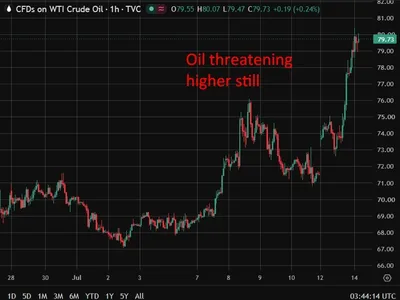
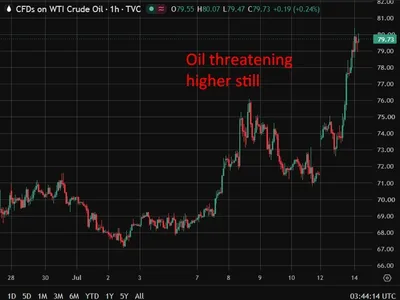
Spot prices for Middle Eastern crude strengthened following Iran's attacks on UAE tankers, rattling an already tense energy market.
If you've been watching oil prices lately, here's another reason they're creeping higher: Iran reportedly attacked UAE tankers in the Middle East, and energy markets are taking notice. Spot prices for crude originating from the region ticked upward in the immediate aftermath, reflecting the kind of geopolitical risk premium traders pile on whenever shipping lanes feel threatened.
The Middle East is one of the world's most critical arteries for oil supply, and any disruption — real or perceived — tends to send buyers scrambling to lock in barrels before things get worse. When tankers get targeted, it's not just about the ships themselves; it's about what that signal means for future supply reliability. Markets tend to price in the worst-case scenario first and ask questions later.
Read more Why the Japanese Yen Could Shake Your Stock Portfolio →
For everyday consumers, this kind of headline might feel abstract, but it has a pretty direct line to what you pay at the pump. Higher spot crude prices feed into refined fuel costs within weeks, so a sustained spike in the Gulf region could translate to pricier gasoline before long. Whether this escalation stays contained or spirals further will be the key question traders are watching.
Geopolitical flare-ups in the Strait of Hormuz area have a long history of jolting oil markets, even when physical supply isn't immediately interrupted. The psychological effect alone is enough to move prices, and right now, with global energy markets already navigating a complex mix of OPEC production decisions and demand uncertainty, any new friction adds fuel — pun intended — to an already complicated picture.
Continue reading at Reuters